by Tim Webster
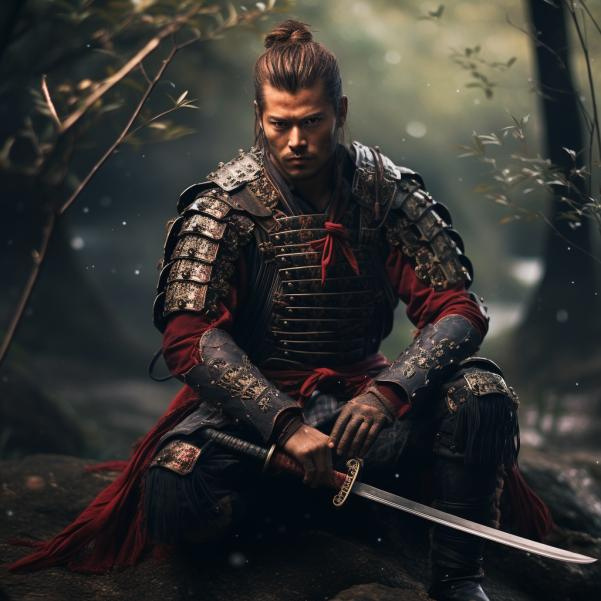
Samurai: The fearless warrior of old Japan. Sword in hand, battling through charging enemies, willing to sacrifice himself for his lord.
Those of us who study any traditional Japanese martial art, have likely been told about Samurai, and those who don’t will still know plenty from all the movies and books created about them.
The Samurai are heavily associated . Bushido is a set of values dealing with virtuous attitudes and strengths. Samurai lived a life of service to their clan and lord. The actual word Samurai 侍 means – To Serve.
But to serve what? What does that mean?
To really understand what this means, we have to become familiar with the concept of
Giri. Giri is at the heart of what it means to serve,to be Samurai.
Giri is duty, it is obligation, it is loyalty. It is the most powerful part of Bushido.
A duty not just to an individual, but to society itself. It is a willing obligation to do what is right and uphold a high moral standard.
Giri is something that people take pride in.
Giri is unconditional, no credit is sought after or is required.
Where martial arts in Japan are concerned, Giri is about training to the best of your ability and defeating the opponent as efficiently as possible with honour. It is also about following your teacher with devotion and loyalty, as they have done for their teacher before.
Having something like this to work towards gives us a path to follow.
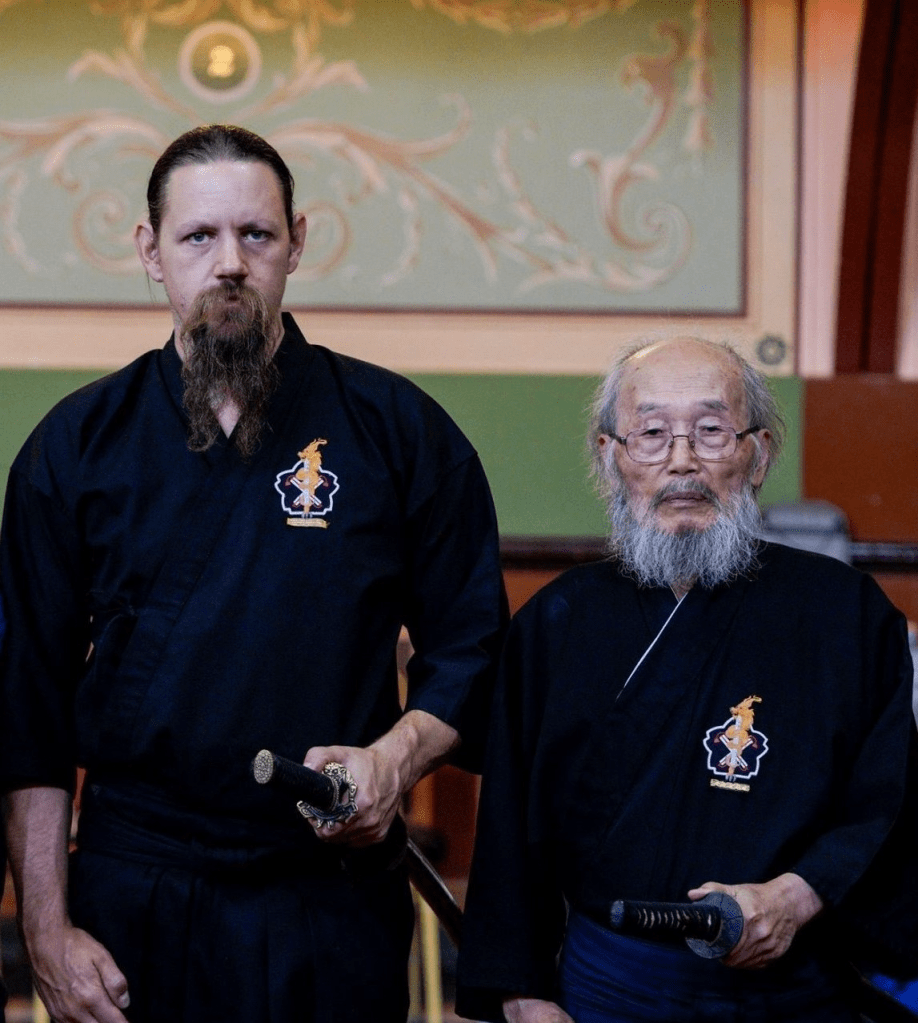
My teacher, SeiShihan Goho, is turning 90 this year and he is still training and teaching at his Dojo every week. He is a great example of Giri and a model of what to live by, physically and mentally. He loyally followed his teacher, Grandmaster Kimura, right up until the end of his teacher’s life. When Grandmaster Kimura passed away, his son, SeiShihan Toru Kimura, became the Inheritor to the style in Nagoya, Japan, and we now follow him loyally.
Giri is a huge part of all Japanese martial arts, but it is also very present in other Japanese ways like Chado(tea-cermony), Shodo(Calligraphy), and others. It is also a big part of Japanese culture and society still today.
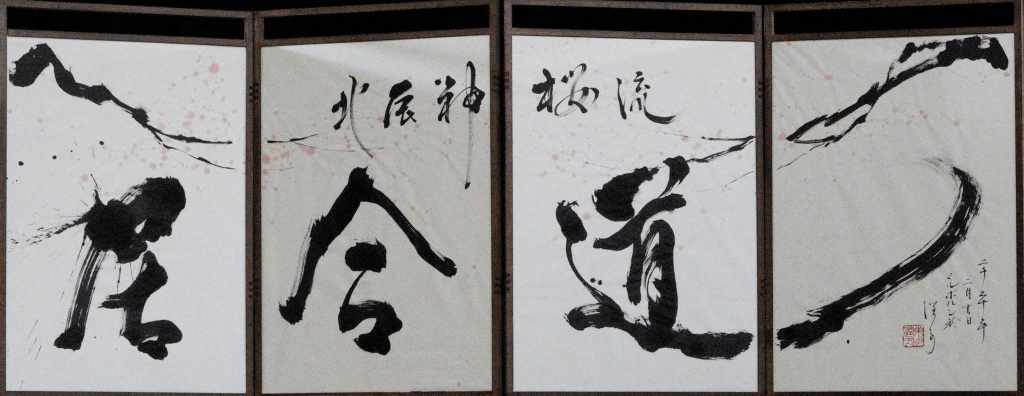
Giri underpins general day to day activity in Japan. Work obligations performed to the best of an individual’s ability, trains and road crossings politely and efficiently dealt with in a respectful way. It is also doing the right thing and standing up for what is just, and defending that to the end.
What does all that have to do with us Aussies?
In Australia, we are happy cooking a BBQ, having a beer and watching the footy, while complaining about work or the bloody government. But the concept of Giri is active in modern day Australia. It is in our martial arts of course, but it is also in our society.
The Aussie idea of “Sticking up for your mate” or “A Fair go” or “Mateship” are all a form of Giri.
If you have ever gone to defend someone who is being threatened, if you have helped a stranger, if you have donated to charity or if you have given without expecting something in return, then that is Giri.
Those of us who train in a form of martial arts in Australia, we know we train hard. We train to defeat the opponent as quickly and efficiently as possible. We train to the best of our abilities, and we try to improve and do better. We learn from our Sensei and we are loyal and devoted to them.
However, most people today start training in martial arts because they want to get something out if it. That’s why we do most things. We want to learn to defend ourselves,we want to get fit, we want our children to gain some self-confidence or discipline. These are all good reasons, but they are us wanting to get something out of it for ourselves.
To look at things with Giri in mind we should start to shift from, what can we get out of it
for us? to what can we put into it? What we can give back to it? This way, we can start to view things through the eyes of a Samurai. So whether we are seasoned instructors with decades of martial arts experience, or new students busily learning and training as much as we can, or even someone who is just now thinking about taking up a form of martial arts, there is something inside this idea that we can all try to embrace.
This idea of Samurai has nothing to do with if you train using a sword or not. The sword is a
symbol, just like t was to the Samurai in the days of old.
Whether we train Karate, Aikido, BJJ, MMA, Muay Thai or any other art, we should train to the
best of our ability, learn to face and defeat our opponent as efficiently as possible and do it
with honour.
We should also, when possible, learn o avoid the unnecessary spilling of blood. You can avoid
confrontation by not drawing your sword and cutting them down, or not using the most severe technique in your set of abilities.
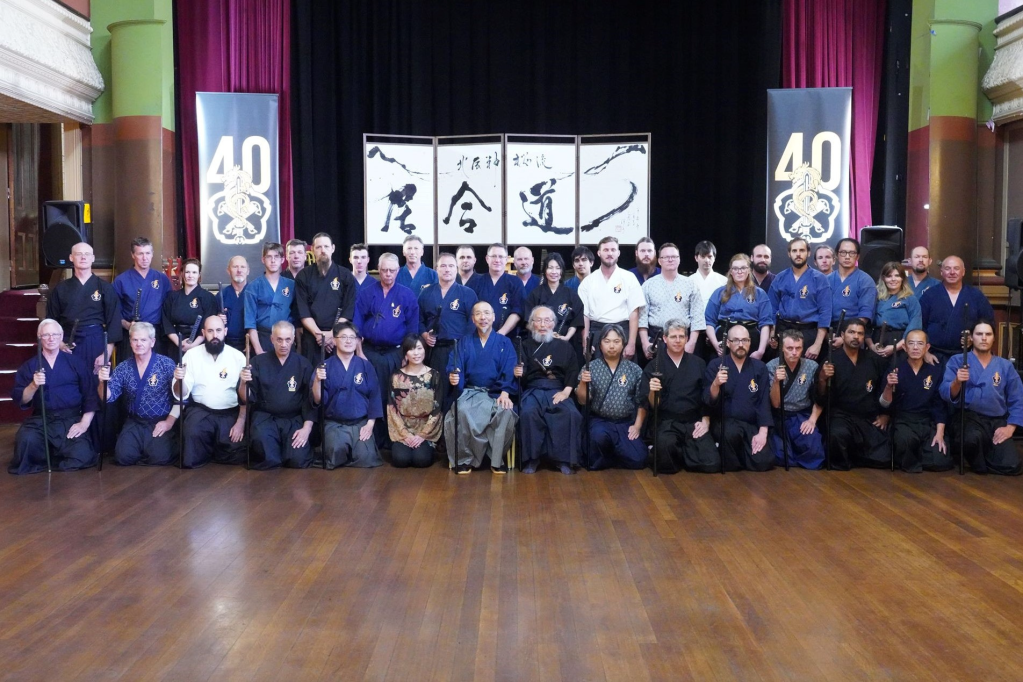
By avoiding a confrontation with someone, we can avoid unnecessary bloodshed. This is also a practice of Giri. My Master SeiShihan Goho has said many times, “If everyone could think this way, we would have peace in the world.”
Keeping this in mind, the more obscure ideas can come into focus. We can let our misconceptions fall away and see what Samurai really means beyond the romance of the movie screen. We can live without fear and let our willing obligation show us the true path forward. We can serve others, we can live with honour.
To think like a Samurai, you have to have a deep understanding of Giri. If you embrace Giri, then all the other concepts that are in Bushido, like loyalty, honour, respect,honesty, and courage will happen naturally.
Whether it is standing in the ring ready for the bell, or standing up to a bully who is out in the street, whether it is having to overcome an injury in training, or having to overcome a difficulty in family life, whether it is stepping onto the mat to face an opponent, or stepping out of your front door to face the world, this is Giri.
Chances are that if you are reading this article, you can probably see how many of these ideas apply to you already. Perhaps you are Samurai. Maybe many of us already are Samurai, just in ways that we may not have realised. But that is the special and important part. We do it unconditionally, like a parent dedicating their lives to their children. We do it without expecting something in return.
Then, once we understand this, it is our duty to try to teach others what it means.
So, to answer the question from the beginning, yes, I think it is possible to be a Samurai in modern day Australia. We just have to have a true understanding of GIRI. We definitely shouldn’t go around thinking we are Samurai, but we should do our best to try to think like Samurai.
We should never say that we are Samurai, we should just do our best to act like Samurai.
So then, the next question is how can we be better Samurai?
You, the person reading this now, has the opportunity and the task, as was the case with Samurai of the past, to improve.
Try to do better in training.
Try to do better in life.

 Martial Arts Magazine Australia
Leave a comment